


With over 19 years in advertising sales, and working with many agencies, Greg is very experienced with working with clients of all sizes. He has also seen our services work first hand. Having the exact same real life experience selling digital advertising as our clients, he brings his ability to relate to everyone. Working with our partners allows him to continue to help sales teams and agencies grow their business, and at the same time, supporting the growth efforts of the end client. Greg is Google Analytics Certified.
Key takeaways:
· Engagement matters before purchase - Attention and interaction are early buying signals.
· Relevance beats reach - Personalization cuts through noise.
· Confidence drives conversion - Address hesitation at the right moment.
· Connected marketing wins - Unified experiences build loyalty.
Remember when marketing was simple? You put up a billboard, punched a target demo into some platform, and hoped for the best.
Yeah — those days are gone.
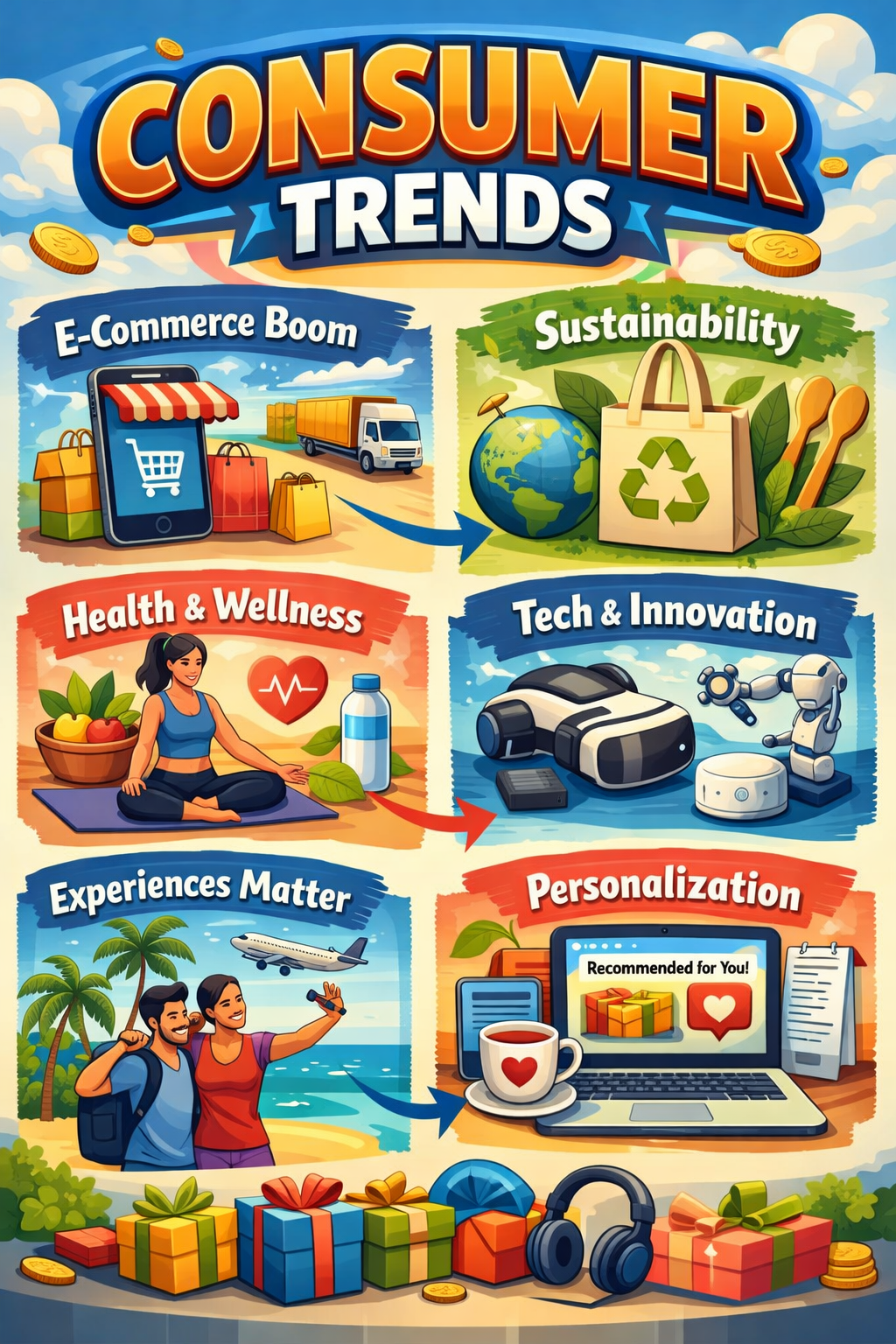
Today, consumer behavior isn’t just shifting — it’s evolving in ways that make a lot of old playbooks feel downright obsolete. The 2026 Predictions: Consumer Trends Shaping the Marketing Landscape (link to: https://cdn.sanity.io/files/b7pblshe/marketing-prod/d4cac01cc22b6d545997b901f47d2966feba2e80.pdf) report lays out four big patterns shaping how people engage with brands — and here’s the kicker: these trends aren’t squirreled away in some ivory-tower slide deck. They’re happening now — and the brands that adapt early will own the next wave of customer loyalty and growth.
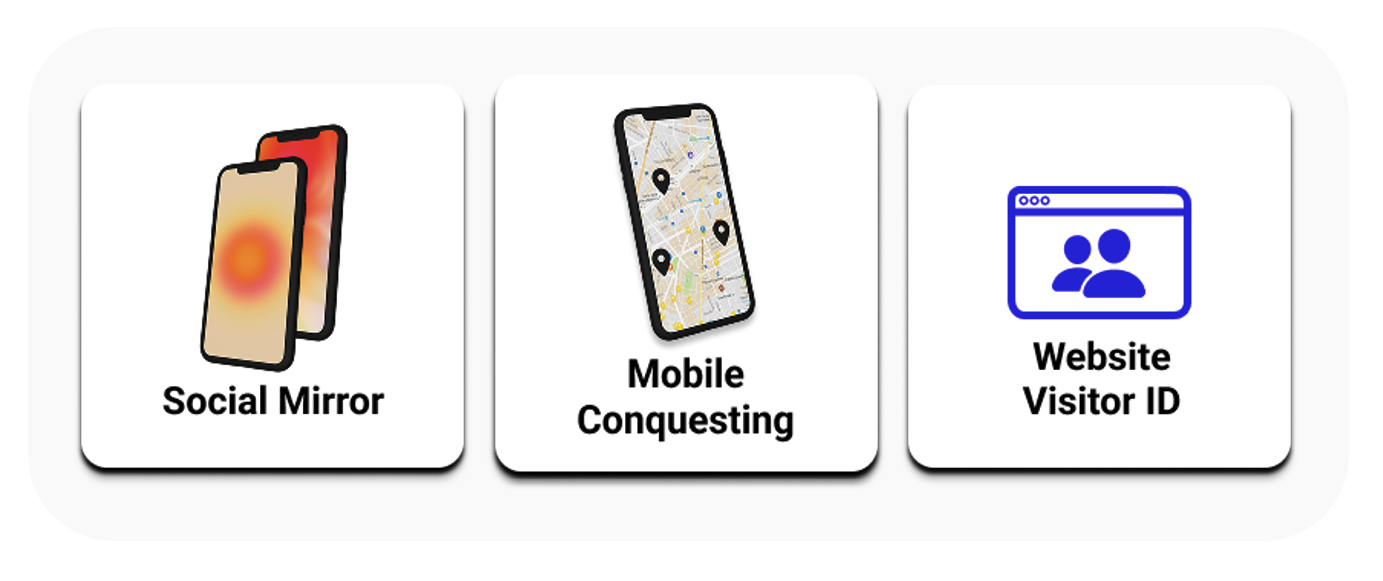
But understanding trends isn’t the same as reaching them. That’s where three modern tools come in:
Social Mirror, Mobile Conquesting, and Website Visitor ID — and together they’re a marketer’s playbook for taking trends off the page and into reality.
Let’s unpack how this all works — without the jargon and marketing buzzwords.
Trend #1: Worth-wise — People Value Engagement as Much as Transactions
Here’s something you might recognize: customers don’t just want to buy from brands anymore — they want to be part of something. They show up on social, stay for the content, engage with videos, comment on stories, share experiences. They want relationships, not receipts.
But too often marketers only value someone once they pay. That mindset misses the point.
How to Reach These “Engagers” (Before They Buy)
This is where Website Visitor ID really shines. Instead of treating your website traffic like anonymous eyeballs, Visitor ID tells you who is coming back, what they’ve interacted with, and how deeply they’re engaging — even if they haven’t purchased yet. It’s the difference between saying, “Someone saw the pricing page,” and “Hey — this person spent 3 minutes on the pricing page and watched two videos.” That’s insight you can use.
Now, let’s take that insight and extend it into social channels. That’s exactly what Social Mirror Ads do. They reflect people’s actual behavior — like the specific content they gravitated toward on your site — and serve creative that feels familiar, not random. That kind of continuity deepens trust and makes people feel seen, not sold to.
Finally, when you combine this with Mobile Conquesting, you’re reaching active buyers physically — whether they’re near a competitor, a relevant event, or a location where they might be in a buying frame of mind. Instead of blasting everyone everywhere, you’re showing up in context, at the right time and place.
Now that’s how you reward engagement — before someone even enters a checkout funnel.
Trend #2: Spontainment — The New Kind of Surprise Customers Actually Love
Consumers are smarter — and a bit bored. They don’t want the same old campaign they’ve seen a dozen times. They want moments of delight, those unexpected interactions that make them smile, pause, or even share with a friend.
Think of it like this:
We all remember the brand that made us laugh or made us think — not the one same tired formula.
Engineering Surprise (Yes — It Can Be Engineered)
Let’s say someone has been browsing your site — maybe they watch a product video or read through your how-it-works page. That behavior hints at interest. With Website Visitor ID, you can recognize these patterns and set triggers — not to send the same old ad — but to deliver something unexpected: maybe a quirky message, an interactive meme, or a playful creative that feels personal.
That’s not random — that’s smart marketing.
Now, imagine bringing that same vibe into cross-platform advertising with Social Mirror Ads. Because this ad reflects past engagement, it doesn’t feel like “just another ad.” It feels like a conversation you already started. Suddenly, your brand isn’t just visible — it’s interesting.
And then there’s the real world.
Mobile Conquesting lets you take these moments offline (yes — we still live in the real world, too). When someone is near a store, event, or competitor, you can serve a spontaneous offer or creative that feels timely. That’s where delight meets opportunity — and consumers remember brands that show up where they are, not just where the algorithm thinks they’ll scroll next.
Spontaneity isn’t accidental — it’s built on data, timing, and relevance.
Trend #3: Absurdities — Outrageous Works (If It’s Done Right)
Let’s get honest: the internet is loud. So loud that average messaging barely moves the needle anymore. To grab attention, brands are leaning into weird, unexpected, or boldly entertaining content that breaks through the noise. That’s the “Absurdity” trend — and it’s paying off.
Sure, not every brand has a multimillion-dollar creative budget — but you don’t need one to disrupt.
Here’s the trick: bold doesn’t mean sloppy — it means contextual. And that’s where Social Mirror Ads become your secret weapon.
When someone has already interacted with your brand — even just a little — you can afford to take creative risks. Why? Because they already recognize you. Weird, funny, or bold messaging in this context feels exciting, not off-brand.
This doesn’t just catch attention — it invites shares, comments, and word-of-mouth — the kinds of reactions that algorithms reward.
Next, Mobile Conquesting can take absurdity out of the feed and into the moment. Imagine someone walking near a competitor store and seeing a spirited creative from your brand that makes them laugh, or think, or pause. That’s top-of-mind branding that actually resonates.
Finally, data from Visitor ID tells you who responded well to bold creative — so you can repeat and scale what works instead of guessing.
Outrageous done with insight beats safe done with guesswork — every time.
Trend #4: Buy: Because — People Need Confidence Before They Purchase
Let’s face it: buying decisions aren’t automatic. Consumers are overwhelmed with choices, worried about price, and often abandoned by brand experiences that don’t address their concerns.
So, they hesitate. They leave carts. They scroll away.
That tells marketers one thing: people aren’t buying if not convinced.
Turning Hesitation Into Action
The first step is understanding why someone hesitates — and that’s where Website Visitor ID again becomes invaluable. If someone revisits pricing pages, reviews pages, or FAQs, Visitor ID gives you context — and context is power.
Now, use that context to inform your outreach.
With Social Mirror Ads, you can serve helpful content — not just promotional content — based on what that person viewed. Did they spend extra time on FAQs? Serve creative that answers specific questions. Was it reviews? Lead with social proof. That’s persuasion without pressure.
And then — real-world timing matters.
With Mobile Conquesting, you can reach consumers near checkout moments — literally — while they’re out and about. A timely nudge at exactly the right moment can make the difference between “thinking about buying” and actually buying.
This trend isn’t about selling harder — it’s about selling smarter.
Why These Tools Work Better Together
Think of your marketing stack as a storytelling ecosystem:
Individually they’re useful. Together, they create a connected customer experience — from first look to final purchase — that feels intentional instead of intrusive.
And that’s the real shift happening in 2026:
Consumers no longer want to be targeted. They want to be understood.
What This Means for Your Marketing in 2026
So, what’s the bottom line?
Trends aren’t worth much unless you can reach them. And reaching consumers today means more than waving a flag and hoping someone notices.
It means:
Because in a world full of ads, the brands that feel meaningful will win.
And that’s not just a trend — that’s the next era of marketing.

.png)

